Winter brings cold mornings, icy roads and frosted windshields — and if you drive an electric car, you’ve probably heard the stories: “Your range drops!”, “Charging slows down!”, “Batteries don’t like the cold!”
Some of that is true.
But the full picture is much more nuanced — and with the right habits, your EV can perform remarkably well in winter conditions.
In this article, we explain why cold weather affects electric cars, how much impact you can expect, and what you can do to drive comfortably, safely and efficiently all winter long.
Why electric cars lose range in winter
Every vehicle — electric or not — becomes less efficient in winter. Petrol and diesel cars can consume up to 30% more fuel in cold conditions. The difference?
With EVs, the impact is more noticeable because the dashboard shows your exact range and battery percentage.
Here’s what actually causes the drop:
1. Batteries perform differently in cold temperatures
Lithium-ion batteries work best between approx. 20–30°C.
When it’s cold, the chemical processes inside the battery slow down.
This results in:
- lower available energy
- higher internal resistance
- reduced performance until the battery warms up
2. Heating the cabin costs energy
Unlike combustion engines, which produce plenty of “waste heat,” an EV must actively heat the interior using electricity.
And that can be significant:
- seat heaters: low consumption
- steering wheel heater: low
- full cabin heating: relatively high consumption
3. Winter driving conditions change efficiency
Wet roads, snow, slush and cold tires all increase rolling resistance.
That means more energy needed per kilometre.
4. Regenerative braking is limited when the battery is cold
Regen works less efficiently when the battery is not warm enough, meaning the car recovers less energy while driving.
How much range can you expect in winter?
The winter impact varies per car, battery size, drivetrain, and climate.
Generally:
- mild winter (0°C – 10°C): 10–25% range reduction
- cold winter (-10°C – 0°C): 20–40% reduction
- extreme cold (-20°C or below): up to 50% reduction
That may sound dramatic, but most daily trips remain well within the available winter range of modern EVs.

The good news: EVs adapt quickly
Most electric cars are equipped with battery thermal management — which heats or cools the battery to maintain optimal performance. Once the battery warms up through driving or preconditioning, the range stabilises.
In other words:
the “worst” range happens mostly at the start of your trip — once everything warms up, efficiency improves.
How to maximise your range in winter
Here are practical, proven tips to get the best performance from your EV when temperatures drop:
1. Preheat your car while it’s still plugged in
This is the single biggest winter advantage of electric cars.
- Start heating the cabin
- Pre-warm the battery (if your car supports this)
- Defrost windows automatically
- All using grid power instead of battery power
Result:
You start driving with a warm cabin and a warm battery — meaning vastly better efficiency.
2. Use seat and steering wheel heaters
These require far less energy than blasting the full climate system.
Warm body → lower cabin temperature needed → higher range.
3. Drive in ‘Eco’ mode
Eco mode adjusts:
- throttle response
- heating power
- regenerative braking
This keeps consumption under control without sacrificing comfort.
4. Check your tire pressure regularly
In winter, tire pressure drops faster due to cold air, creating extra rolling resistance.
Lower pressure = lower range.
Keep your tires inflated to the recommended values for best efficiency and safety.
5. Use pre-conditioning for fast charging
Batteries charge slower when cold.
Many EVs allow you to preheat the battery automatically when navigating to a fast charger.
This ensures you arrive with a warm battery, reducing charging time significantly.
6. Plan your trips realistically
If your winter commute is 30–50 km per day, a temporary 20–30% range drop changes almost nothing in practice.
For longer winter road trips:
- charge sooner
- take advantage of warm battery after first stop
- keep speeds moderate to maintain efficiency
Winter doesn’t have to reduce your comfort — or your confidence
Electric cars work extremely well in winter, as long as you understand how cold affects the battery and how to adapt your driving habits.
With smart pre-conditioning, efficient heating, moderate speeds and warm batteries, most drivers see very manageable range differences.
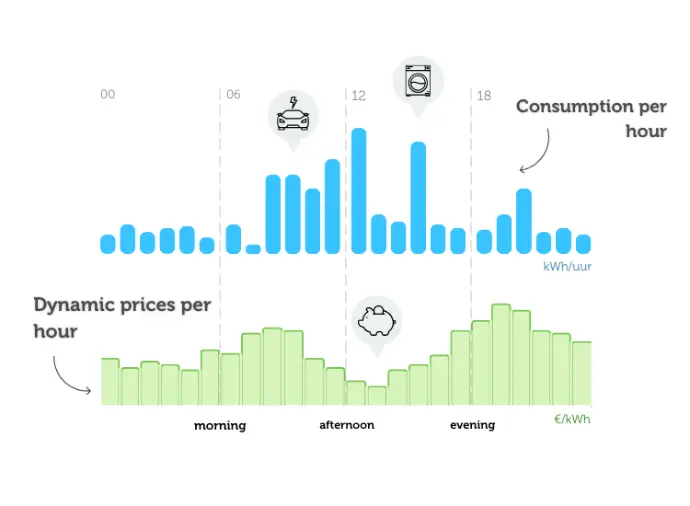
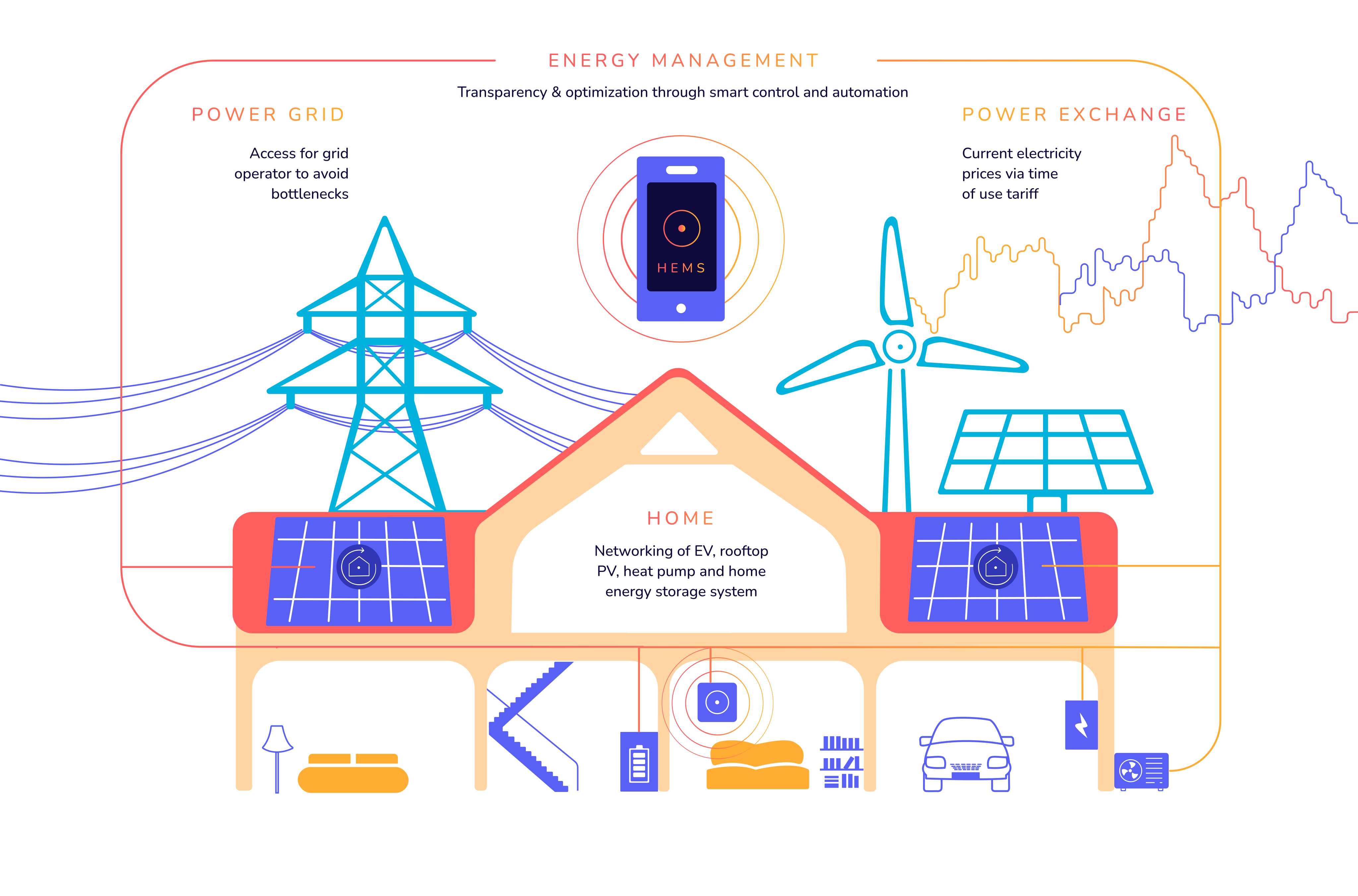
And with modern energy-management systems (like those from CenEnergy), your car can even charge automatically during the cheapest hours, making the winter months not just comfortable — but cost-efficient as well.
Conclusion
Winter range loss is real, but predictable — and absolutely manageable.
Electric cars in winter benefit from:
- preheating from the grid
- thermal battery management
- efficient cabin heating
- smart driving modes
- intelligent charging strategies
With the right approach, your EV remains reliable, efficient and comfortable, even on the coldest days.